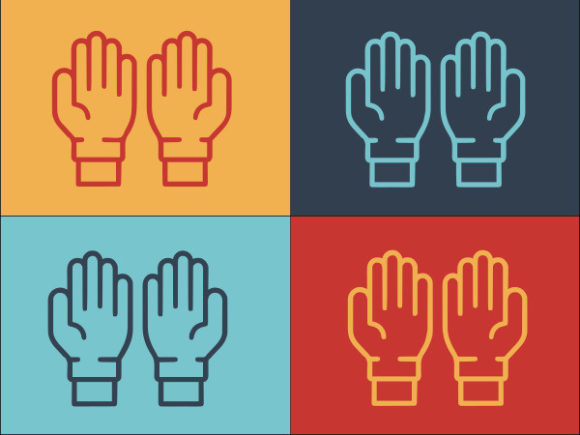
Reviewing Doctor Medical Gloves for Embroidery Projects
As a designer who has spent years digitizing and stitching thousands of patterns, I have learned that not every graphic translates well to thread. When I first encountered Doctor Medical Gloves, my initial reaction was one of cautious optimism. The description promises an elegant, modern, and versatile logo template, which are buzzwords we see often in the world of digital Graphics. However, elegance on a screen does not always equal clarity under a needle. My job is to determine if this design holds up when moved from a vector file to actual fabric, specifically for those of us running small craft businesses or creating personalized gifts.
First Impressions and Visual Personality
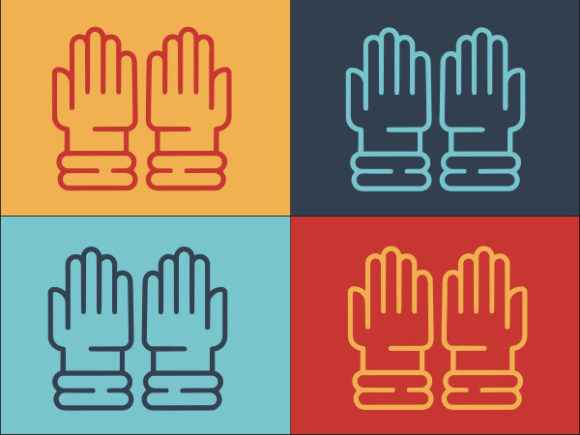
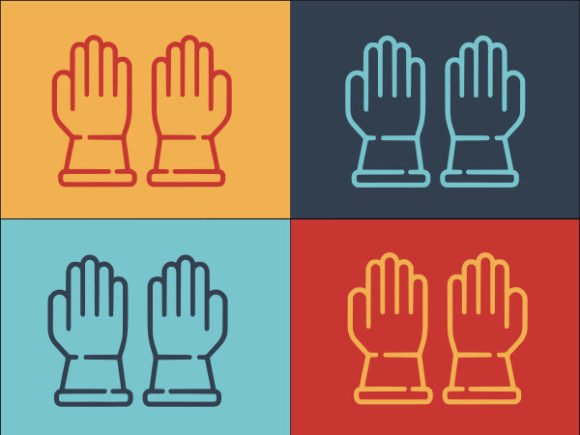
The immediate appeal of Doctor Medical Gloves lies in its clean lines. In the realm of Logos, simplicity is king, especially for embroidery. Complex gradients and tiny details often turn into a muddy mess of thread breaks and puckering. This design appears to respect the limitations of the medium. The shape suggests a professional medical theme, likely featuring stylized glove imagery or associated medical iconography. The mood it creates is one of trust, hygiene, and professionalism. For an embroidery designer, this is a strong starting point. It does not scream for attention with chaotic elements; instead, it offers a structured layout that feels ready for customization.
What stands out is the potential for versatility. A design labeled as "modern" usually implies balanced proportions and adequate spacing between elements. This is crucial because tight spacing can cause threads to merge, losing the definition of the image. If Doctor Medical Gloves maintains its integrity at smaller sizes, it becomes a valuable asset for various applications, from subtle chest logos on uniforms to larger statement pieces on tote bags.
Real-World Application: The Custom Tote Scenario
To truly evaluate a design, I imagine it in a real-life scenario. Let’s say a local clinic wants branded merchandise for a health fair. They order custom embroidered tote bags. This is where Doctor Medical Gloves would face its first true test. Tote bags are typically made of canvas or heavy cotton, which have a distinct weave texture. A well-digitized machine embroidery design must account for this texture.
If I were stitching this onto a natural cotton tote, I would look closely at how the curves of the gloves are rendered. Are they using a satin stitch for smooth edges, or a fill stitch for broader areas? Satin stitches provide a shiny, premium look but can snag easily if too long. Fill stitches are durable but can feel stiff. Given the "elegant" descriptor, I would hope for a combination that prioritizes a clean finish. If the design relies heavily on fine running stitch outlines, it might get lost in the fabric grain. However, if the digitizer has used appropriate underlay and density, the result should be crisp and professional, enhancing the perceived value of the handmade product.
Versatility Across Products and Fabrics
Beyond tote bags, where else does this design fit? The medical theme makes it ideal for custom apparel such as scrub tops, lab coats, or nurse uniforms. Here, the fabric is often a polyester blend, which behaves differently than cotton. It is slippery and stretchy. Using Doctor Medical Gloves on these materials requires careful attention to stabilizer choice. A cut-away stabilizer would likely be necessary to prevent the design from distorting after washing.
For the Etsy seller or small shop product creator, this design could also work well on embroidered patch projects. Patches allow for higher stitch density without worrying about garment comfort. You can create a durable, iron-on badge that medical students or healthcare workers can attach to their bags or jackets. This transforms the digital asset into a tangible, sellable item with high utility.
However, caution is needed with baby embroidery or delicate items. If the design includes small text or intricate details within the glove illustration, these may not hold up on soft, thin fabrics like baby onesies. The stiffness of the thread could irritate sensitive skin. In such cases, simplifying the design or increasing the size is essential. Always test on scrap fabric first to ensure the thread colors contrast well against the background and that the stitch count does not overwhelm the material.
Technical Considerations for Digitizers and Makers
One critical aspect mentioned in the product details is the file format: SVG. This is important to note. SVG is a vector format, widely compatible with design software like Inkscape, Gravit Designer, and Adobe Illustrator. It is excellent for printing and cutting, but it is not a native embroidery file format like PES, DST, or EXP. This means that if you are buying Doctor Medical Gloves expecting a plug-and-play digital embroidery file for your machine, you might need to take an extra step.
You will likely need to use embroidery digitizing software to convert the SVG into a stitch file, or hire a digitizer. This is a vital distinction for hobbyists who may not realize that a graphic logo is not the same as an embroidery pattern. If you are comfortable with digitizing, the SVG format is actually a benefit. It allows you to scale the design infinitely without losing quality, giving you full control over hoop size and placement. You can adjust the stitch density and type to suit your specific machine and fabric choice.
When preparing this for commercial embroidery, consider the color palette. Medical themes often lean towards blues, greens, and whites. Ensure your thread colors are vibrant and do not bleed into each other. Dark fabrics require a lighter underlay or a backing patch to make the design pop. Light fabrics may show the bobbin thread if the tension is not adjusted correctly. These are the practical realities that separate a good design from a great finished product.
Enhancing Brand Value and Customer Trust
Why does the quality of Doctor Medical Gloves matter? Because in the hands of a craft business owner, your products represent your brand. A sloppy embroidery job with loose threads or poor registration damages customer trust. Conversely, a clean, well-executed design elevates the perceived value of the item. Whether it is a holiday gift for a nurse or a personalized gift for a doctor, the professionalism of the embroidery reflects the care put into the creation.
For printable mockup creators, this design offers a clean aesthetic that looks good in digital previews. High-quality visuals drive sales on platforms like Etsy. If the design looks sharp in photos, customers are more likely to engage. It serves as a strong piece of design assets for anyone building a portfolio of medical-themed crafts.
Final Verdict and Practical Advice
In conclusion, Doctor Medical Gloves presents itself as a promising resource for designers and makers. Its modern and elegant style fits well within the current trends of minimalist branding. However, success depends on execution. Do not assume the SVG file is ready for the hoop. Verify your licensing rights for commercial use before selling finished items. Test the design on various fabrics to determine the best stabilizer and thread combination.
For the experienced embroiderer, this is a flexible template that can be adapted for everything from sweatshirt embroidery to kitchen towels. For the beginner, it is a reminder that preparation is key. Check the details, respect the fabric, and stitch with intention. When done right, this design can become a staple in your library of reliable, professional-grade embroidery projects.