Care Medical Gloves: A Designer’s Embroidery Review
As a designer who has spent years translating digital concepts into tangible, stitched reality, I approach every new machine embroidery design with a healthy dose of skepticism. We have all been there: you download a file that looks crisp on the screen, only to find it turns into a puckered mess or an indistinguishable blob once the needle hits the fabric. That is why I took a close, practical look at Care Medical Gloves. This isn’t just about aesthetics; it is about functionality, durability, and how this specific Logos category asset performs when pushed through the rigors of real-world production.
First Impressions: Elegance Meets Utility
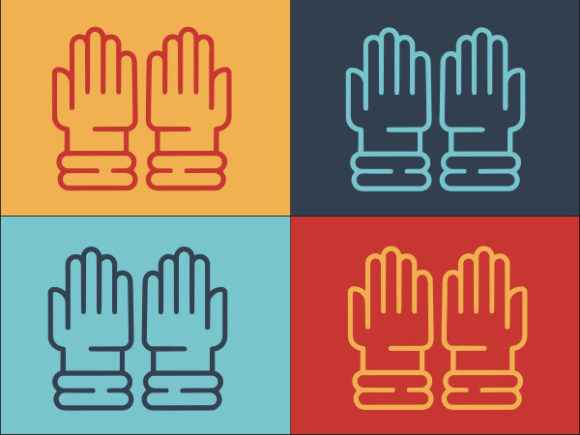
The first thing that strikes me about Care Medical Gloves is its inherent balance. The description claims it is elegant, modern, versatile, and stylish, and visually, it holds up to that promise. In the context of Graphics, it avoids the cluttered, overly complex lines that often plague medical-themed imagery. Instead, it offers a clean silhouette that suggests professionalism without feeling sterile or cold. For an embroidery project, this simplicity is a massive advantage. Complex gradients and tiny details rarely translate well to thread, but this design’s structural clarity suggests it will stitch out cleanly, maintaining its integrity across various applications.
The mood it creates is one of trust and care. If you are running a small business in the healthcare sector, a home care service, or even a wellness boutique, this visual language speaks directly to your audience. It feels intentional. When I visualize this as a finished product, I don’t see it getting lost in the noise. It stands out because it respects the medium it is intended for.
Real-World Application: The Tote Bag Test
To truly evaluate a design, you have to imagine it in situ. Let’s consider a common scenario for many Etsy sellers and craft business owners: creating a custom branded tote bag for a local nursing agency or a medical supply startup. I imagined placing Care Medical Gloves on a heavy-duty canvas tote bag design.
Because the design is described as easy to customize, I considered how it would interact with different thread colors. On a natural beige canvas, a deep navy or slate blue stitch would provide excellent contrast, highlighting the elegant curves of the gloves. The layout seems spacious enough to allow for proper stitch density without causing the fabric to pucker, which is a common issue with dense logos on thinner materials. If I were producing this for a client, I would likely opt for a satin stitch border to define the edges sharply, giving the handmade product a polished, high-end look that justifies a higher price point.
Beyond tote bags, this design translates beautifully to sweatshirt embroidery. Imagine a soft, heather-grey crewneck for a team of caregivers. The modern style of the logo would sit comfortably on the left chest, offering a subtle yet professional identifier. It doesn’t scream for attention; it whispers quality. This is crucial for custom apparel where the wearer wants to feel proud, not like a walking billboard.
Navigating Fabric and Hoop Constraints
While Care Medical Gloves appears versatile, experienced designers know that no design is universally perfect without adjustment. Here is where practical judgment comes into play. If you are planning to use this on stretchy fabrics, such as performance wear or fitted caps, you must be mindful of the hoop size and stabilization. Even though the design is modern and likely optimized, any logo with curved elements can distort if the fabric shifts during stitching.
For embroidered patch creation, this design is a strong candidate. Patches require bold lines and clear separation between elements, which this template seems to offer. However, if you are working with very thin fabric, like a silk scarf or a lightweight baby onesie, you need to check the stabilizer requirements carefully. A heavy fill stitch on delicate material can cause tearing or excessive stiffness. I always recommend testing the design on a scrap piece of your actual production fabric first. This simple step saves hours of frustration and wasted materials.
Another consideration is dark fabric. If you are stitching on black or navy uniforms, ensure that your thread choice provides enough luminance. Sometimes, a design that looks great in color loses its definition in low-light conditions. Testing a mockup in black and white can help you determine if the shape alone carries the visual weight, or if you need to adjust the applique design elements to add contrast.
Commercial Viability and Brand Trust
For small shop product creators and digital embroidery file sellers, the commercial potential of Care Medical Gloves is significant. In today’s market, buyers are looking for authenticity. A generic, clip-art style logo can cheapen a brand, but a well-executed, elegant design builds trust. When a customer sees a clean, professional logo on a personalized gift or a piece of commercial embroidery, it signals that the creator cares about details.
This design fits seamlessly into the narrative of holiday embroidery gifts for healthcare workers. Think of a personalized apron for a nurse or a pillow cover for a doctor’s office waiting room. The versatility of the design allows it to pivot from strict corporate branding to warm, personal appreciation items. This flexibility increases its value proposition for design assets libraries. You aren’t just buying a logo; you are buying a tool that can serve multiple clients and occasions.
Practical Designer Notes for Best Results
Before you commit to a large production run or list this as a key item in your printable mockup portfolio, keep these technical checks in mind:
- Verify File Compatibility: The product mentions SVG compatibility with Inkscape, Gravit Designer, and Adobe Photoshop. Ensure you have the correct conversion tools if your embroidery machine requires specific formats like PES or DST. Always confirm the file types included before purchase.
- Check Stitch Density: While the design is described as ready to print, embroidery requires different considerations than printing. Inspect the digitizing if possible, or run a test stitch to ensure the density isn’t too high for your chosen fabric.
- License Confirmation: If you plan to sell finished items or use this in commercial embroidery projects, double-check the licensing terms. Some graphics are for personal use only, while others allow for commercial resale. Clarity here protects your business.
- Thread Contrast: Experiment with monochromatic threads for a subtle, tonal look, or high-contrast colors for visibility. The "elegant" nature of the design supports both approaches, but the effect is drastically different.
- Hoop Selection: Choose a hoop size that allows for adequate margins around the design. Crowding a logo against the edge of the hoop can lead to stitching errors and an unprofessional finish.
Final Verdict
Care Medical Gloves is a compelling addition to any designer’s toolkit, particularly for those serving the healthcare and wellness sectors. Its strength lies in its modern, uncluttered aesthetic, which translates well to the physical limitations of embroidery. Whether you are creating a baby embroidery item for a newborn gift, branding uniforms for a clinic, or designing a unique holiday gift for a medical professional, this design offers the flexibility and professionalism needed to succeed. By respecting the technical constraints of your materials and taking the time to test your setup, you can turn this digital asset into a standout finished product that resonates with customers and elevates your brand.