Reviewing the Profile Nurse Icon for Embroidery
As a designer who has spent years translating digital concepts into thread, I approach every new Profile Nurse Icon with a mix of curiosity and caution. We all know that what looks crisp on a screen does not always translate seamlessly to fabric. When I first opened the files for this design, my immediate goal was to determine if this graphic asset could hold its own in a real-world embroidery project. Is it merely a decorative clipart element, or is it a viable component for a professional craft business? After putting it through its paces on various textiles, I have formed a clear opinion on where this design shines and where it requires careful handling.
First Impressions and Visual Personality
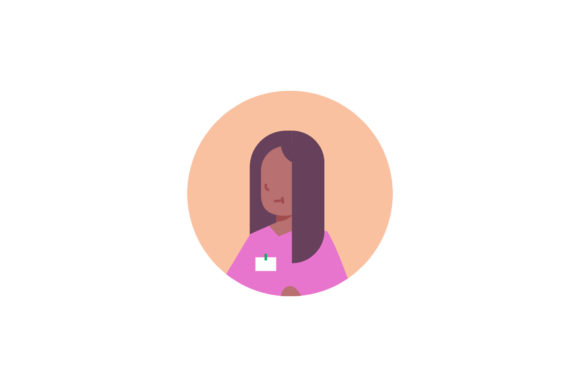
The Profile Nurse Icon carries a clean, modern aesthetic that is essential for contemporary medical-themed merchandise. In the world of Icons and Graphics, simplicity is often king, especially when we are dealing with the limitations of needle and thread. The silhouette is distinct, avoiding unnecessary clutter that can turn into a tangled mess of threads during stitching. The mood it creates is one of professionalism and care, making it an ideal candidate for items intended to honor healthcare workers.
What stands out immediately is the balance of negative space. For an embroidery designer, this is crucial. Too much detail in a small icon leads to poor stitch definition, while too little can make the design look amateurish. This particular profile strikes a comfortable middle ground. It feels substantial enough to be recognized from a distance, yet refined enough to look intentional up close. When I visualized this on a tote bag design or a structured cap, the lines appeared strong and confident, suggesting that the underlying vector paths are well-constructed.
Real-World Application: The Custom Sweatshirt Test
To truly evaluate the Profile Nurse Icon, I moved beyond digital mockups and considered a tangible scenario. Imagine a customer ordering a custom sweatshirt embroidery piece for a graduating nursing student or a seasoned ICU nurse. The goal is to create a personalized gift that feels high-end, not like a cheap promotional item.
In this context, the icon performs admirably as a chest-left placement or centered on a pocket. Because the design is relatively compact, it does not overwhelm the garment. However, the success of this application depends heavily on your choice of thread colors. I found that using a classic medical blue or a soft teal against a heather grey fleece created a sophisticated look. The contrast was sharp, ensuring the profile remained legible. If you are aiming for a subtler, more boutique feel, tonal stitching—such as white thread on a cream sweatshirt—can work, but only if the stitch density is optimized to prevent the design from disappearing into the fabric texture.
Versatility Across Product Lines
Beyond apparel, this design shows promise for various small shop product lines. For an Etsy seller looking to expand their catalog, the Profile Nurse Icon can be adapted for:
- Embroidered patches: The clean edges make it suitable for satin stitch borders, creating a durable patch for scrub bags or backpacks.
- Baby embroidery: When scaled down appropriately, it works well on onesies or bibs for "future nurse" themed gifts, though care must be taken with stitch density to keep the fabric soft.
- Kitchen towels and aprons: A practical gift for nurses who love to cook, where the icon can be stitched near the hem or pocket area.
- Holiday embroidery: Pairing the icon with festive elements like a stethoscope wrapped in lights can create seasonal best-sellers.
Technical Considerations for Stitching
While the visual appeal is strong, the technical execution requires attention. Since the product description indicates you receive AI, EPS, and SVG files, it is important to note that these are vector graphics, not native machine embroidery files like PES or DST. This means you will need to digitize the design yourself or use auto-digitizing software with caution. This step is critical. Auto-digitizing often fails to account for stitch density and pull compensation, which can distort the final image.
When converting this digital embroidery file into a stitch file, pay close attention to the curves of the profile. Sharp angles in vectors can result in jagged stitches if not smoothed out. I recommend using a combination of fill stitch for the main body of the icon and a precise satins stitch for the outline if you want a polished, raised look. For smaller hoop sizes, consider simplifying the internal details to prevent thread breaks and bird nests.
Fabric and Stabilizer Choices
The choice of fabric dramatically affects the outcome of the Profile Nurse Icon. On stable fabrics like cotton twill or denim, the design holds its shape well. However, when working with stretchy fabrics like jersey knits for t-shirts, a cut-away stabilizer is non-negotiable. Without proper support, the icon may warp after washing, losing its professional appearance. For textured fabrics like towels, you may need to increase the stitch density slightly to ensure the threads sit on top of the loops rather than sinking in.
Be cautious with dark fabrics. If you are stitching a light-colored icon on black fabric, you must use an underlay stitch that matches the top thread color to prevent the dark fabric from showing through the gaps. This is a common mistake that can make even the best design assets look unfinished.
Commercial Viability and Brand Consistency
For those running a commercial embroidery operation, consistency is key. The Profile Nurse Icon offers a standardized look that can help build brand recognition. Whether you are creating uniforms for a clinic or merchandise for a nursing association, having a consistent icon helps establish trust. Customers perceive high-quality embroidery as a sign of professionalism. A clean, well-stitched icon suggests that the creator cares about details, which enhances the perceived value of the finished product.
However, always verify the licensing terms before selling. While the files provided are versatile for design work, ensure that your end use complies with the creator's terms for commercial use. Most designers allow the sale of physical items made with their designs, but reselling the digital files themselves is typically prohibited.
Final Verdict and Practical Tips
The Profile Nurse Icon is a solid addition to any designer’s library, provided you approach the digitization process with skill. It is not a plug-and-play solution if you lack embroidery software, but for those who can convert vectors to stitches, it offers excellent potential. Before committing to a large batch of custom apparel or handmade products, always stitch out a test sample on scrap fabric. Check for thread breaks, tension issues, and overall clarity.
Test the design in both color and black-and-white mockups to ensure it remains recognizable without color cues. Compare how it looks on light versus dark backgrounds to determine if you need to adjust your thread palette. By taking these practical steps, you can transform this simple graphic into a high-value asset for your craft business. Ultimately, this icon succeeds because it respects the medium of embroidery, offering a design that is both visually appealing and technically manageable for the experienced maker.