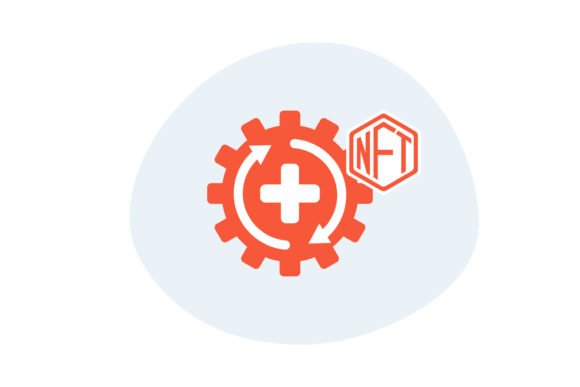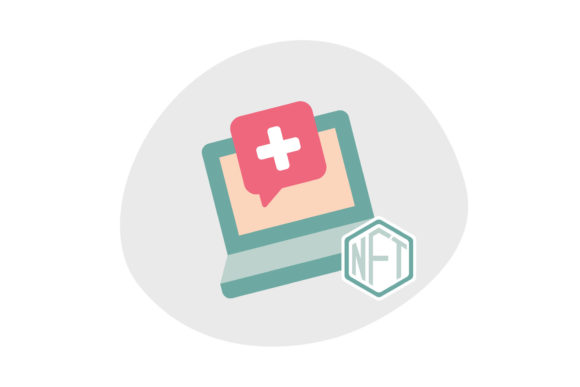
Reviewing the Medical NFT Online Support Icon
As an embroidery designer who has spent years digitizing patterns and testing them on everything from stiff canvas to delicate jersey knits, I approach every new machine embroidery design with a critical eye. It is not just about whether the image looks good on a screen; it is about how those lines translate into thread, tension, and texture. Recently, I evaluated the Medical NFT Online Medical Support Icon, a digital asset that sits at the intersection of modern tech themes and traditional healthcare symbolism. While this item is listed under Freebies and categorized as Graphics, my job is to determine if it holds up when put under the needle for real-world applications.
First Impressions: Clarity Meets Modern Theme
The first thing I noticed about the Medical NFT Online Medical Support Icon is its clean, vector-based origin. The product description notes that it is available in six formats: AI, EPS, SVG, JPG, PNG, and DXF, with a canvas size of 1920 px. For an embroiderer, the presence of SVG and DXF files is promising, as these are often easier to convert into stitch files than raster images like JPG or PNG. However, the core of the design relies on strong, recognizable shapes—likely combining medical crosses, digital nodes, or support symbols associated with online health services.
The mood here is professional yet contemporary. It does not scream "vintage" or "rustic." Instead, it feels suited for modern branding, tech-forward medical startups, or personalized gifts for healthcare workers who are also tech-savvy. The layout appears balanced, which is crucial for embroidery. Unbalanced designs pull fabric and cause hoop burn, so a symmetrical or well-weighted icon is always a good starting point. The visual personality is sleek, suggesting that it would look best with smooth satin stitches rather than heavy, textured fill stitches that might obscure fine details.
Real-World Application: From Screen to Stitch
To truly test the viability of this design, I imagined a specific project: a custom embroidered tote bag for a local telehealth nurse. Tote bags are popular handmade products because they offer a large, flat surface area, but the fabric choice matters. If I were using this icon on a heavy canvas tote, the stitch density would need to be moderate. Too dense, and the bag becomes stiff and cardboard-like; too sparse, and the underlying fabric shows through, ruining the crispness of the medical symbol.
For custom apparel, such as a polo shirt for a clinic staff member, this icon could serve as a left-chest logo. Here, the scale is critical. Since the original canvas is 1920 px, resizing it down to a 2-inch or 3-inch hoop requires careful attention. Small details in the "NFT" or "Online Support" elements might merge if the resolution isn't handled correctly during digitization. I would recommend using a running stitch for any thin connecting lines to keep the profile low and prevent snagging on uniforms that are washed frequently.
Another viable application is sweatshirt embroidery. On fleece or cotton blends, the icon’s bold lines would stand out well. However, because fleece has a pile, I would advise using a cut-away stabilizer to prevent the design from sinking into the fabric. The contrast between the thread colors and the garment color is vital here. A white or light blue thread on a navy sweatshirt would create a sharp, professional look that enhances brand recognition.
Navigating Fabric and Hoop Constraints
While the Medical NFT Online Medical Support Icon is versatile, there are scenarios where caution is needed. Embroidering on stretchy fabrics, such as performance wear or baby clothes, requires extra stabilization. If this design is used for baby embroidery, perhaps on a onesie for a "future doctor" gift, the stitch count must be kept low to avoid irritating sensitive skin. Heavy fill stitch areas can feel scratchy, so opting for lighter densities or even converting parts of the design to an applique design could improve comfort.
Curved surfaces present another challenge. If you plan to put this icon on a cap, the curvature of the front panel can distort circular or square elements. The icon’s geometry needs to be checked for distortion after hooping. Additionally, dark fabrics require careful thread selection. If the design includes fine lines, using a high-sheen polyester thread can help catch the light and make the details pop against black or charcoal backgrounds. Always test on scrap fabric first to see how the thread colors interact with the material.
Commercial Value and Brand Consistency
For Etsy sellers and small shop owners, the appeal of this design lies in its niche relevance. The intersection of healthcare and digital technology is a growing market. Offering items like embroidered laptop sleeves, tech pouches, or professional badges featuring this icon can attract a specific clientele. The professionalism of the design contributes to customer trust. A sloppy or pixelated embroidery job can deter buyers, but a crisp, well-executed icon signals quality.
When creating printable mockups for your online store, ensure that the digital representation matches the stitched reality. Use high-quality photos of the finished product to show the texture of the stitches. This transparency helps manage customer expectations and reduces returns. For commercial embroidery projects, consistency is key. If you are producing a batch of items for a corporate client, ensure that every piece uses the same tension settings and thread brands to maintain uniformity.
Practical Designer Notes for Best Results
Before committing to a final production run, consider these practical steps:
- Check Licensing: Although this is listed as a freebie, always confirm the license terms. Can you sell finished products? Is attribution required? Never assume commercial rights are included without verification.
- Digitize with Care: If you are converting the SVG or AI file yourself, pay attention to underlay stitches. Proper underlay stabilizes the fabric and anchors the top stitches, preventing shifting.
- Test Stitch Density: Run a test on similar fabric to check for puckering. If the fabric pulls, reduce the density or increase the stabilizer weight.
- Contrast Check: View your design in black and white to ensure the shapes are distinct. If details disappear in monochrome, they will likely get lost in thread.
- Hoop Size Selection: Choose the smallest hoop that fits the design to minimize fabric movement and maximize stability.
In conclusion, the Medical NFT Online Medical Support Icon offers a solid foundation for modern embroidery projects. Its clean lines and relevant theme make it suitable for a variety of design assets, from professional apparel to personalized gifts. By paying attention to fabric choice, stabilizer type, and stitch density, you can transform this digital graphic into a high-quality finished product that resonates with today’s healthcare and tech communities. Whether you are a hobbyist looking to create a unique gift or a business owner expanding your product line, this design deserves a spot in your toolkit, provided you approach it with the technical precision it requires.