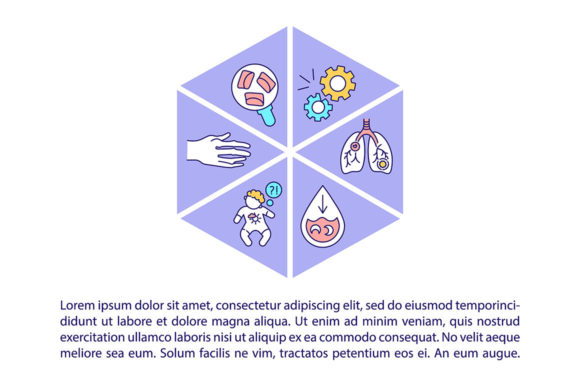
Reviewing Genetic Diseases Concept Line Icons
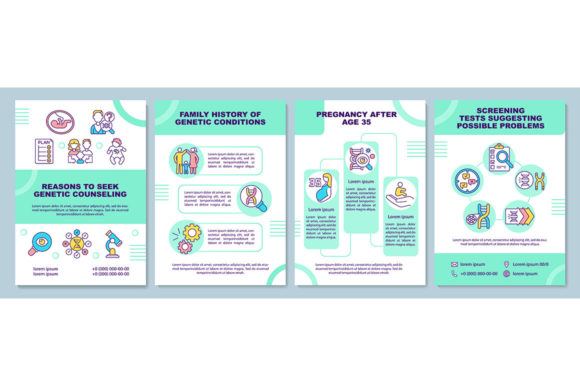
As a designer who spends half my life staring at digitized files and the other half watching needles punch through fabric, I have learned that not every graphic translates well to thread. When I first opened the Genetic Diseases Concept Line Icons, my initial reaction was one of cautious curiosity. This is not your typical floral motif or standard monogram. It is a specialized set of linear illustrations intended for medical and educational contexts, packaged as a vector template with copy space. For an embroidery professional, this presents a unique challenge: how do we take clean, clinical line art and make it tactile, warm, and commercially viable?
The visual personality of these icons is stark and modern. They rely on thin lines and minimalist shapes to convey complex biological concepts. In the digital realm, specifically within Graphic Templates used for brochures or newsletters, this clarity is an asset. However, when we consider translating this into a machine embroidery design, the rules change entirely. Thread has thickness. Fabric has texture. The gap between two lines in a digital file might be three pixels, but on a sweatshirt, that same gap needs to be wide enough to prevent the stitches from merging into a muddy blob.
The Real-World Test: A Custom Tote Bag Project
To truly evaluate the potential of these assets, I imagined a real-life scenario. A client approached me with a request for a series of tote bags for a local genetics awareness fundraiser. They wanted something sophisticated, not cartoonish. This is where Genetic Diseases Concept Line Icons could shine, provided we handle the execution with precision. I selected a DNA helix icon from the set to test on a heavy canvas tote.
The first impression during the stitching process was revealing. Because the source material is a line icon, it naturally lends itself to a running stitch or a very light satin stitch border. I avoided fill stitches, which would have destroyed the delicate nature of the original artwork. On the canvas, the design looked crisp. The linear style held up well because the fabric was stable and flat. However, I noticed that the accompanying text included in the template required careful scaling. Tiny lettering is the enemy of embroidery. If you shrink the design too much to fit a small pocket area, the text becomes illegible knots of thread rather than readable information.
Navigating Fabric and Stitch Constraints
One of the most critical aspects of using specialized Graphics like these is understanding where they fail. These icons are not universal. They perform beautifully on smooth, medium-weight fabrics like cotton twill or polished polyester blends. However, if you attempt to stitch these fine lines onto a textured towel or a fuzzy fleece sweatshirt, the details will get lost. The pile of the fabric will swallow the thin threads.
Furthermore, stretchy fabrics pose a significant risk. If you are creating custom apparel such as a baby onesie or a fitted cap, the distortion caused by the hoop and the subsequent wear can warp these linear designs. A straight line representing a chromosome might end up looking wavy and uneven. In these cases, using a high-quality cut-away stabilizer is non-negotiable. You must also consider the hoop size. While these icons are scalable, pushing them beyond their optimal resolution leads to jagged edges. I recommend testing the design on scrap fabric first, specifically checking how the corners and curves hold up under tension.
Commercial Viability for Etsy Sellers and Craft Businesses
For the Etsy seller or small shop owner, niche products often command higher prices. Medical professionals, students, and advocacy groups are constantly seeking high-quality, professional-looking merchandise. A generic "I Love DNA" shirt is common, but a tastefully embroidered lab coat pocket featuring a precise genetic icon from this set offers a level of professionalism that mass-produced prints cannot match.
When positioning these as a handmade product, the perceived value increases if the stitching is flawless. The clean, white-background aesthetic of the original template suggests a clinical purity that translates well to white or light-colored threads on dark navy or black garments. This high-contrast look is popular in modern embroidered patch designs. If you are selling digital products, offering these as pre-digitized files requires you to verify the stitch count and density. Since the product description mentions a ZIP file containing vector templates, you must ensure you have the rights to convert these vectors into embroidery files for resale, or strictly sell the finished physical items.
Design Adaptation and Visual Appeal
The mood created by these icons is serious yet accessible. They do not scream for attention; they inform. This subtlety is perfect for personalized gifts for healthcare workers or science enthusiasts. However, to maintain visual appeal, you must respect the negative space. In embroidery, what you do not stitch is just as important as what you do. Over-digitizing these simple lines will clutter the design. Stick to single-line runs or narrow satin columns.
Color choice is another pivotal factor. While the template is linear and likely black on white, embroidery allows for creativity. Using metallic threads for a DNA helix can add a premium feel to a holiday gift or a commemorative item. Conversely, sticking to traditional medical blues and greens reinforces the theme. Always test your thread colors against the fabric background. A light grey thread on a white shirt might disappear, while a dark blue on black fabric might lack definition.
Practical Notes for the Embroidery Designer
Before committing to a large production run or listing these on your shop, consider these practical steps:
- Check Licensing: Ensure the license for the Genetic Diseases Concept Line Icons allows for commercial use in physical goods. Vector templates sometimes have different restrictions than embroidery files.
- Digitize with Care: If you are converting the vector yourself, pay close attention to node placement. Smooth curves are essential to prevent thread breaks.
- Test on Multiple Fabrics: What works on a pillow cover may fail on a silk scarf. Always create a sample swatch.
- Mind the Scale: Keep the design large enough to be appreciated but small enough to remain elegant. Avoid placing complex linear details in areas subject to high friction, like underarm seams or collar edges.
- Mockup Verification: Use digital mockups to visualize the design on various garments before stitching. This helps clients understand the final look and reduces revision requests.
In conclusion, Genetic Diseases Concept Line Icons offer a sophisticated resource for designers willing to navigate the technical nuances of embroidery. They are not plug-and-play for every project, but with careful digitizing and fabric selection, they can elevate a simple piece of custom apparel into a meaningful, professional-grade item. For the craft business owner looking to differentiate their portfolio, these icons provide a unique avenue into the medical and educational markets, provided you respect the limitations of thread and fabric.