Review: Genetic Engineering Linear Icons Set
As a designer who spends half my life digitizing and the other half stitching, I have learned that not every graphic translates well to thread. We often get swept up in the visual appeal of a digital file, forgetting that embroidery is a tactile medium with physical limitations. When I first opened the Genetic Engineering Linear Icons Set, my immediate reaction was one of cautious optimism. The clean, thin-line aesthetic is undeniably modern, but translating "editable stroke" vector outlines into a durable machine embroidery design requires a keen eye for detail.
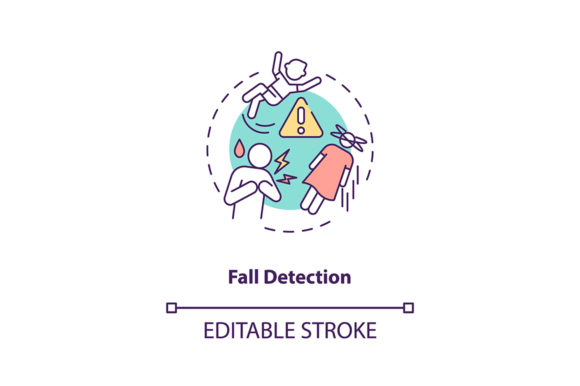
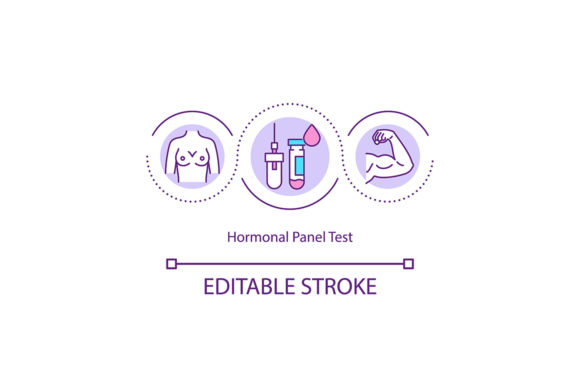
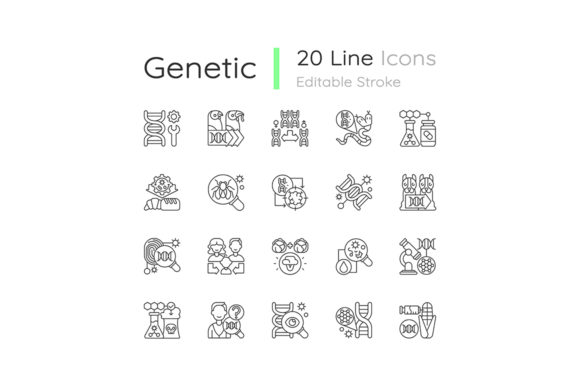
This collection focuses on chromosome division, animal mutation, and medical biotechnology themes. For the average crafter, this might seem niche. However, for those of us running a craft business or catering to specific academic and medical niches, these Icons represent a unique opportunity. I decided to put this set through its paces, evaluating it not just as a digital asset, but as a component of a real-world embroidery project.
The Aesthetic: Clean Lines vs. Stitch Reality
The first thing you notice about this Graphics package is its minimalism. The linear style relies heavily on negative space and precise contours. In vector software, this looks crisp. In embroidery, however, thin lines can be tricky. If the stitch density is too low, the fabric shows through, making the design look sparse. If it is too high, the fabric puckers.
I tested a few of the chromosome division icons on a standard cotton twill. The result was surprisingly sharp, provided I used a high-quality cut-away stabilizer. The linear nature of the design means it avoids the heavy bulk of a fill stitch, relying instead on what appears to be a refined running stitch or a very narrow satin stitch depending on how you choose to digitize or convert the vectors. This lack of bulk is a major advantage for items like baby clothes or lightweight summer tees, where a heavy, dense patch would feel uncomfortable against the skin.
Real-World Application: The Science Teacher’s Tote
To truly test the versatility of the Genetic Engineering Linear Icons Set, I envisioned a specific client scenario: a high school biology teacher looking for personalized gear for her classroom. She wanted something professional yet approachable, avoiding the cartoonish clip-art style often found in educational supplies.
I selected the animal mutation icon for a tote bag design. Using a natural canvas tote, I stitched the icon in a deep teal thread. The contrast was excellent. The linear style allowed the texture of the canvas to show through slightly, which actually enhanced the handmade feel of the product. It didn’t look like a mass-produced print; it looked like a thoughtful handmade product.
This experience highlighted a key strength of this set: its adaptability for custom apparel and accessories. Because the designs are isolated vector outline illustrations, they can be scaled relatively easily. However, I must emphasize the importance of checking the hoop size relative to the detail. While the vectors are editable, shrinking a complex chromosome diagram down to a 2-inch circle for a pocket logo might cause the stitches to merge, losing the definition of the individual strands.
Navigating Fabric and Technique Challenges
While the set is versatile, it is not without its pitfalls. Embroidery designers must be realistic about where these linear icons will fail. For instance, using these on stretchy fabrics like jersey knits for a sweatshirt embroidery project requires extra caution. Without proper stabilization, the thin lines can distort as the fabric stretches during wear.
Furthermore, if you are planning to create an embroidered patch for a cap, consider the curvature of the surface. Linear designs can look warped if not centered perfectly on a curved brim. I would recommend avoiding the most intricate mutation details on small hoop size projects like baby hats. Instead, save the simpler chromosome symbols for baby embroidery, where simplicity equals durability and comfort.
Another consideration is thread colors. Linear designs rely entirely on the contrast between the thread and the fabric texture. On dark fabrics, you need a bright, high-visibility thread. On light fabrics, a dark thread works best. I tested a white-on-white scenario on a linen napkin, and frankly, it disappeared. These icons are not subtle; they are meant to be seen. They work best when you embrace bold color choices rather than trying to blend in.
Commercial Value for Etsy Sellers and Makers
For Etsy sellers and small shop owners, this set offers a distinct competitive edge. The market is saturated with floral and monogram designs. Scientific and medical themes are underserved. By using the Genetic Engineering Linear Icons Set, you can target a specific demographic: medical students, lab technicians, science enthusiasts, and teachers.
Imagine offering a line of holiday embroidery gifts for scientists—a "Mutated for the Holidays" sweater featuring one of the animal mutation icons. Or perhaps a series of aprons for laboratory staff. The professional look of these design assets elevates the perceived value of the finished product. Customers perceive clean, precise stitching as a sign of quality craftsmanship, which builds trust and encourages repeat business.
However, before listing these items, you must verify the licensing. Since this is a ZIP file containing vector illustrations, you need to confirm whether the license allows for commercial use of the stitched output. Most digital embroidery file licenses differ from graphic design licenses. Ensure you have the right to sell the personalized gift or small shop product you create.
Practical Designer Notes for Best Results
If you decide to incorporate this set into your workflow, here are my practical recommendations:
- Test on Scrap First: Always run a test stitch on the same fabric type you intend to use. Check for puckering or thread breaks.
- Check Stitch Density: If you are converting these vectors yourself, ensure your digitizing software sets an appropriate stitch length. Too short, and the thread will break; too long, and the design will look sloppy.
- Contrast is Key: Use a printable mockup to visualize how the thread color interacts with the fabric. High contrast yields the best visual impact for linear designs.
- Stabilizer Selection: Use a cut-away stabilizer for knit fabrics and a tear-away for woven fabrics. The stability of the base material is crucial for maintaining the integrity of thin lines.
- Verify File Formats: The product description mentions "Editable stroke" and "ZIP," but it does not specify native embroidery formats like PES, DST, or EXP. You may need to digitize these vectors yourself or use conversion software. Confirm this before purchase if you do not have digitizing capabilities.
Final Verdict
The Genetic Engineering Linear Icons Set is a strong contender for designers looking to expand beyond traditional motifs. It is not a plug-and-play solution for every fabric or garment, but with careful attention to stabilizer choice and thread contrast, it produces professional, eye-catching results. For those in the commercial embroidery sector targeting educational or scientific markets, this collection is a valuable addition to your library. Just remember: respect the linear nature of the design, keep your tension balanced, and let the simplicity of the icon speak for itself.